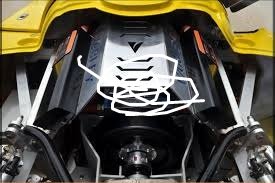
Now that the design is done, installation and integration of all component is presented. The motor will be
installed and connected to the motive-own and the batteries will be placed in mounts and connected to the inverter and regulator. Supplementar
systems such as power steering,
HVAC, and regenerative brakes will also be installed. The system is charged with a battery management system (BMS) who would monitor the safety and charge of the cells.
Biosafety Road Worthy Testing
Lastly, the build is thoroughly and carefully safety-tested, reliability-tested and regulator-tested. Efficiency of braking,
electrical insulation, emergency cut-offs and structural integrity are checked. Road-worthiness tests and certification have
to be done in most locations to allow the replica to be driven on the road.
Every stage is essential in the transformation of a nostalgic concept into an urban sustainable machine.
Challenges & Solutions
Although the replicas of the electric vehicles (EVs) are thrilling and innovative, developing them does not come without
challenges. Technical trade-offs, regulatory red tape, and many other things can make the way to building a fully functional and road-legal electric classic a winding one. Nonetheless, using the modern solutions and carefully planning through, the majority of those will be able to be dealt with successfully.
Weight, Range and Aesthetics Trade-Offs
Among the many design dilemmas in EV replicas is the ability to balance the weight, the range and looks.
Classic cars were never built to accommodate heavy battery packs or electric motors and modification to accommodate both has the effect of losing both visual looks and optimal performance.
The solution of adding large batteries will generate a long range at the cost of adding weight that could influence handling and internal safety structures. Alternatively, the reduction in numbers of batteries can preserve the initial position and contours of the car, but restrict range. The answer is to smart component choice and smart packaging: to take lithium-ion cells of the high-energy type in a modular format that fits inside the original chassis boundaries.
Certification Hurdles
Vehicle certifications and registration is yet another problematic area. Against the background of EV conversions, many countries and regions do not have explicit guidelines, in particular on replicas. The builders have to deal with the inspection standards, the insurance classification, and the licensing that is almost state to state (or even province to province) different.
To make this process easier, it may be helpful to deal with professional services and because they usually know how to make sure that the vehicle meets the road-worthiness required by the law and may be able to help in proper paperwork.